Home > oventrop > oventrop Vindo TH Thermostat Instruction Manual

oventrop Vindo TH Thermostat Instruction Manual


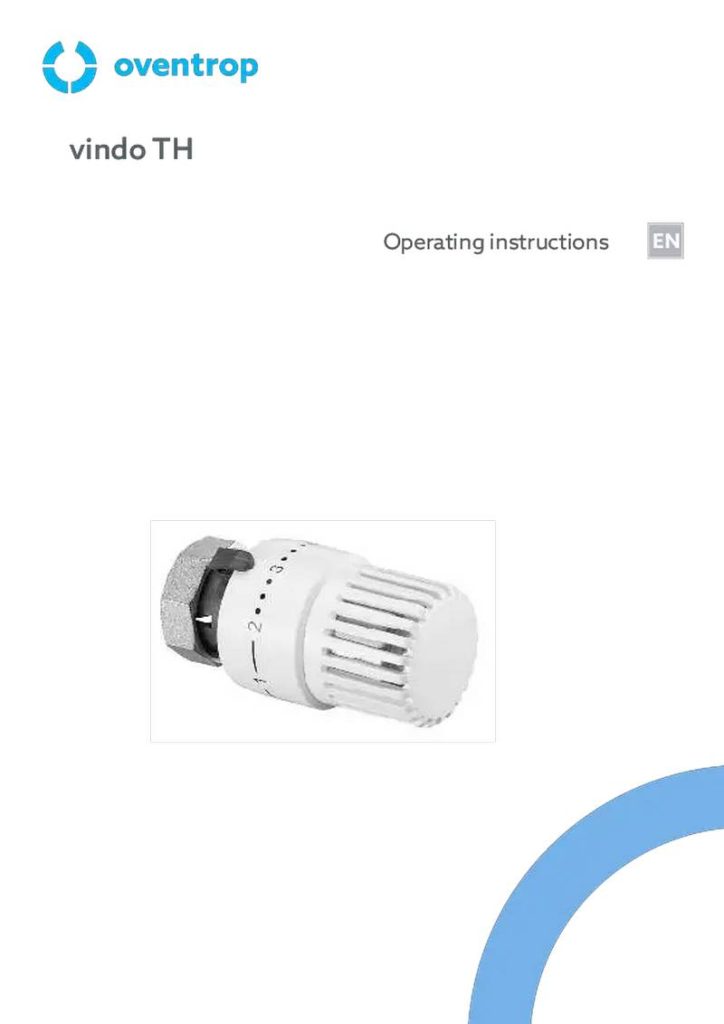
vindo TH  
EN  
Operating instructions  
GeneralDetails
Nameoventrop Vindo TH Thermostat Instruction Manual
Makeoventrop
LanguageEnglish
FiletypePDF (Download)
File size0.15 MB
Download PDF
1 Star2 Stars3 Stars4 Stars5 Stars (1 votes, average: 5.00 out of 5)
Loading...

oventrop Vindo TH Thermostat Instruction Manual
Get the free PDF manual for the oventrop Vindo TH Thermostat Instruction Manual and access setup steps, usage instructions, and troubleshooting tips. 👉 View online or download now to keep your thermostat running smoothly!
oventrop Vindo TH Thermostat Instruction Manual Overview
Summary of Contents

  • Page 1: Operating instructions
  • Page 2: General information Validity of the instructions Scope of delivery Symbols used Safety-related information Intended use Warnings Safety instructions Risk of injury on hot components and surfaces Technical description Design Technical data Transport and storage Installation Operation Setting of the temperature Lowering of the temperature Complete shutoff Airing Limitation of the control range Blocking of a setting Cleaning Disposal
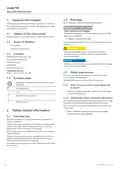
  • Page 3: General information The original operating instructions are written in German. These instructions are valid for the vindo TH thermostat. Signal words define the severity of the danger posed by a situation. Indicates a possible danger with lower risk. NOTICE indicates a situation that can potentially result in damage to property if not avoided. We have developed this product in accordance with current safety requirements. Every person who works with this product must have read and apply this manual. Operational safety is only guaranteed if the product is used as intended. The thermostat is intended to be fitted on a thermostatic valve in hot water central heating systems or cooling systems to control the room temperature. Claims of any kind against the manufacturer for damage resulting from unintended use cannot be recognised.
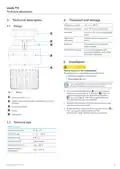
  • Page 4: Technical description Temperature range: -10 °C to +50 °C Relative air humidity: max. 95% non-condensing Store in a dry and dust-protected place Protected from mechanical shock Protected from UV-rays and direct sunlight Do not store together with solvents, chemicals, acids, fuels, or similar substances Risk of burns on hot components A prerequisite for correct control is that the room air can flow freely around the thermostat Align the thermostat so that the setting mark points upwards or is clearly visible Screw the thermostat with the fixing nut onto the thread of the thermostatic valve.
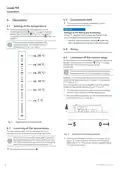
  • Page 5: Operation To shut off the thermostat completely, set the handwheel to the “0” position. To set the desired room temperature, turn the handwheel until the desired figure is aligned with the setting mark. In the “0” position, the fitting may freeze if the room temperature falls below freezing. Use the frost protection setting when the room temperature may drop below freezing. For the desired room temperature control, the thermostat has two limiting elements. The thermostat can be limited to any graduation line, any figure, and the frost protection setting. The desired room temperature control range should be between approx. 16 °C and approx. 24 °C. The limiting elements are accessible from the outside, inside the handwheel. When the frost protection setting is selected, the thermostat opens the valve a little to prevent freezing. To save heating costs, you should lower the room temperature during longer absences.
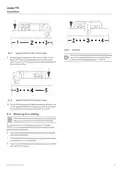
  • Page 6: Operation Lower limitation of the control range To cancel the blocking, slide the limiting elements out of the respective position and reinsert them in the position between figures “5” and “0”. Upper limitation of the control range To cancel the limitations, slide the limiting elements out of the respective lower and upper position and reinsert them in the position between figures “5” and “0”. Blocking of a setting The thermostat can be blocked on any graduation line, any figure and the frost protection setting. If a setting is to be blocked, e.g. to figure “3” (approx. 20 °C), proceed as follows: Turn the handwheel until the desired figure is aligned with the setting mark. Push the limiting elements out of the handwheel with a suitable tool or e.g. a ball pen. Insert the limiting elements into the grooves to the left and right of the figure.
  • Page 7: Cleaning Aggressive cleaning agents can damage the surface of the thermostat. Do not use scouring powder or plastic-dissolving cleaning agents for cleaning. Clean the surface of the thermostat with a soft cloth if necessary. In case of heavy soiling, lightly moisten the cloth in water with mild detergent. Disposal Risk of environmental pollution. Incorrect disposal can lead to environmental damage. Dispose of packaging materials in an environmentally friendly manner. If possible, recycle the components. Dispose of non-recyclable components according to local regulations.
  • Page 8: Page 8